
How to Book the Best Table at Your Favorite Restaurant
Tips for timing your reservation, choosing the right seat location, and getting the table you actually want.
Master the basics of menu navigation, understand common terminology, and make confident choices at any restaurant.
Walking into a restaurant and staring at a menu can feel overwhelming. You're scanning unfamiliar terms, trying to figure out portion sizes, wondering what makes something cost more than something else. Thing is, menus aren't designed to confuse you — they're designed to tell a story about what the kitchen can do.
The good news? You don't need culinary training to read a menu with confidence. You just need to know what you're looking for and understand the signals that menus use. Once you learn these basics, you'll move through any restaurant's offerings like you've been there before.
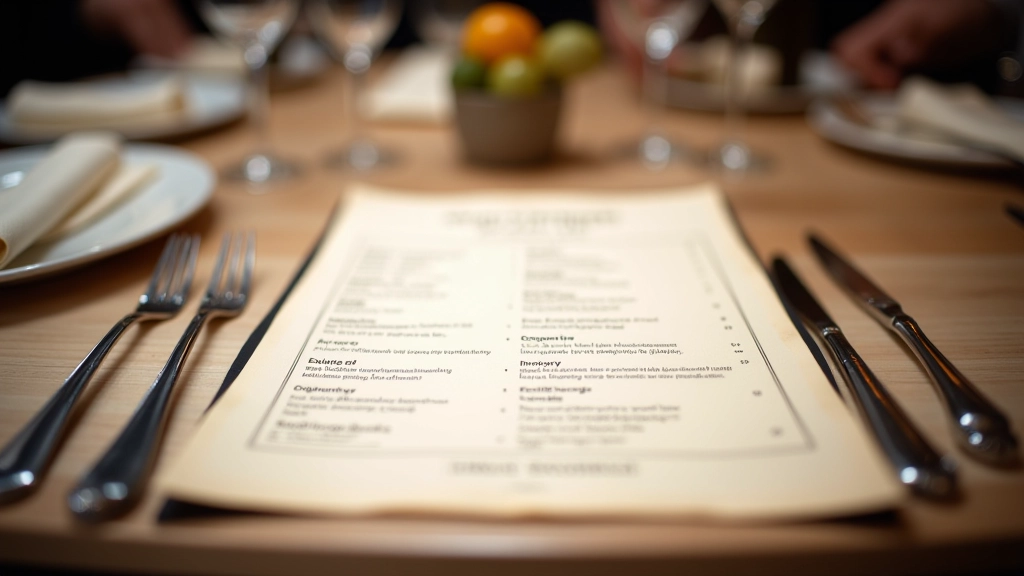
Most menus follow a predictable flow. Appetizers come first — smaller plates meant to wake up your palate. Then mains, which are the center of the meal. Sides come either separately or grouped with the main dishes. Desserts close things out, and drinks can appear throughout.
But here's what matters: the placement of an item on the menu tells you something about how the restaurant wants you to eat. Items listed first in each section are often what the kitchen does best or what they want to highlight. Items near the bottom might be seasonal or less central to their concept.
Some menus break this pattern completely — they might organize by ingredient (seafood section, vegetable section) or by cooking method (grilled, braised, raw). That structure choice tells you something about the chef's priorities. They're either showcasing a specific ingredient or highlighting technique.
Menu descriptions use specific language for a reason. When you see "pan-seared," that means the protein hits a hot pan with a little fat — it'll have a crispy exterior and a cooked interior. "Braised" means it's cooked slowly in liquid, so it's tender and absorbs flavors. "Raw" or "crudo" means it's served uncooked, so you're tasting pure ingredient.
Portion descriptors matter too. "Half-portion" or "appetizer-size" tells you it's smaller. "Family-style" means it's meant for sharing. If the menu doesn't specify and the price seems high, it's probably a substantial plate. If the price is lower, assume it's lighter.
Pay attention to what's being emphasized. If a menu says "wild-caught" or "line-caught" for fish, they're telling you the sourcing matters to them. If they mention the farm or producer by name, they're proud of where it comes from. "Heirloom," "heritage," or "seasonal" all signal intentional choices. These aren't just buzzwords — they're signals about quality and the kitchen's values.
Price alone doesn't tell you much. A 20-dollar plate could be a simple preparation of premium ingredient, or it could be a large composed dish with sides. What you're really comparing is ingredient quality plus technique plus portion against what you'll spend.
Items priced noticeably higher usually have a reason. It's not always about being fancy — it might be a premium protein, a labor-intensive technique, or rare seasonal availability. A 45-dollar fish dish might be that way because they're using wild halibut flown in that morning, or because they're breaking down the whole fish in-house.
The best value play? Look for items using less expensive base ingredients prepared with obvious care. A beautifully executed pasta with seasonal vegetables often delivers more satisfaction than a pricey protein prepared simply. Don't assume expensive means better for your palate — choose based on what sounds good to you.
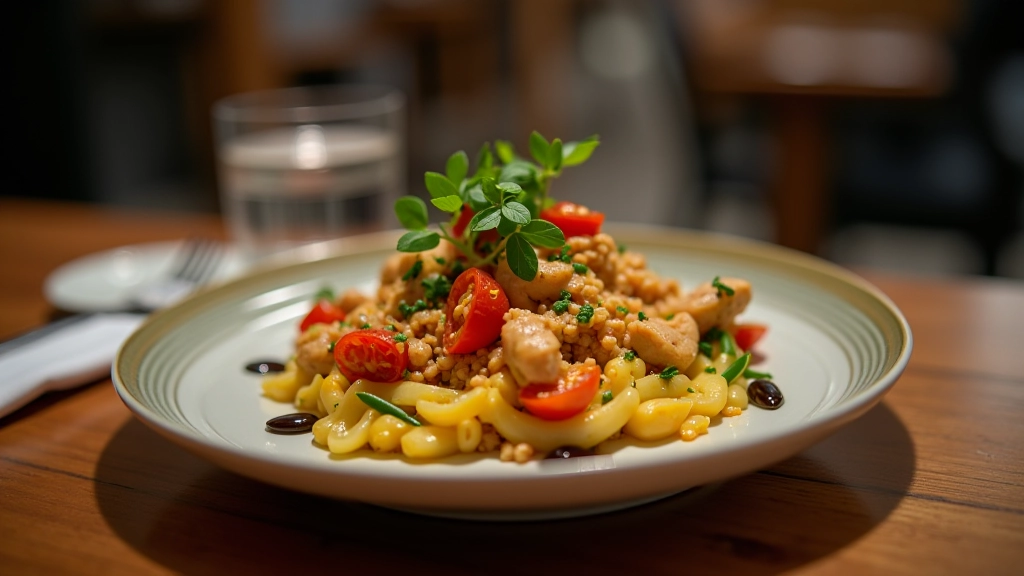

Here's a practical strategy: scan the menu twice. First pass, mark anything that genuinely appeals to you — something that sounds delicious based on the description and your current appetite. Second pass, narrow it down. Are you in the mood for something light or substantial? Adventurous or familiar?
Don't ignore the servers. They're not trying to upsell you — they're trying to make sure you enjoy your meal. If you're uncertain between two things, ask which one they'd choose or what's particularly good that day. Most restaurants have at least one dish the kitchen's known for, and servers know what moves quickly because people love it.
One more thing: you don't have to order exactly as written. Most restaurants are happy to modify things. If you want the fish but don't want the sauce, ask. If you want extra vegetables instead of the starch, they'll do it. Restaurants aren't rigid — they want you to eat something you'll enjoy. Just be respectful about it.
Reading a menu is just pattern recognition once you know what you're looking for. The organization tells you how the kitchen thinks. The language describes technique and sourcing. The prices reflect ingredient and labor. And your instinct — what actually sounds good to you — that's the most important signal of all.
Next time you're holding a menu, you won't be scanning nervously. You'll be reading it like someone who understands what's on the page. And that confidence? That's half the pleasure of eating out.
This guide is intended as general information about reading restaurant menus. Menu offerings, pricing, and practices vary widely by restaurant type, region, and establishment. Menus change seasonally and regularly. Always ask your server or restaurant staff directly about specific ingredients, preparation methods, allergens, or other dietary concerns. For questions about nutritional content or specific dietary needs, consult directly with the restaurant.
Editorial Team
Written by the TableFlow Winnipeg editorial team, focused on practical, clear guidance for restaurant reservations and table booking.
Tips for timing your reservation, choosing the right seat location, and getting the table you actually want.

Comparing reservation methods to help you choose the approach that works best for your situation.
Understanding how to communicate dietary needs effectively and respectfully with restaurant staff.