
How to Book the Best Table at Your Favorite Restaurant
Tips for timing your reservation, choosing the right seat location, and getting the table you actually want when you call ahead.
Making dietary accommodations work — for you and the kitchen staff
You've got a dietary restriction or preference. You call ahead to let the restaurant know, or you mention it when you arrive. Seems straightforward, right? Here's the thing — servers deal with dietary requests constantly, and there's a gap between what guests think they're communicating and what the kitchen actually hears. We talked to servers across Winnipeg restaurants, and they shared the real challenges. Understanding how to make your request clear, reasonable, and workable makes a massive difference.
It's not about judgment. Restaurants want to feed you. But there's a process, and when it works well, everyone wins.
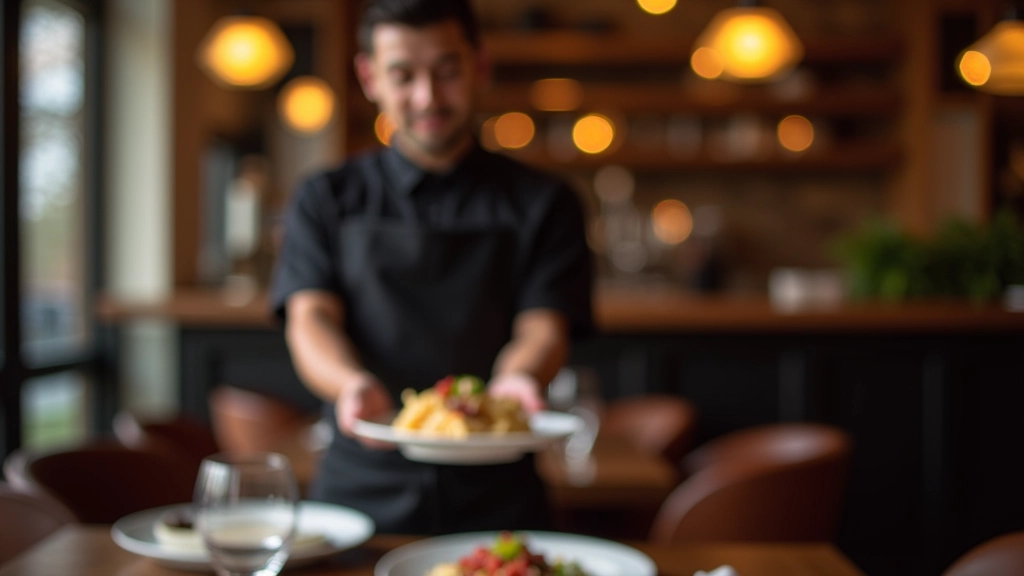
The best time to mention a dietary request is before you sit down. Not at the end of ordering. Not after the kitchen's already started prepping. If you call ahead — even 30 minutes before arrival — the kitchen can plan. They'll check inventory, confirm they can actually accommodate you, and prep accordingly. Servers aren't being difficult when they ask "Is there anything we should know about?" at the start. They're trying to set you up for success.
If you show up without warning and tell your server you can't eat gluten after ordering your meal, the kitchen's already committed ingredients and time. They'll probably do it anyway, but there's stress involved. And mistakes happen under pressure.
The conversation is different when you lead with "I'm celiac" versus springing it on them mid-service. One feels collaborative. The other feels like an obstacle.

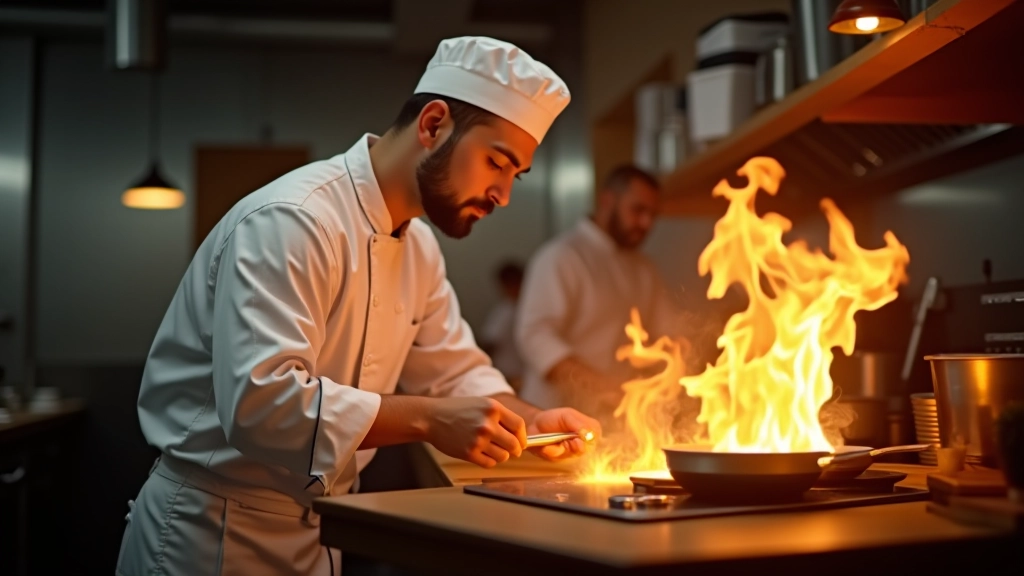
Servers hear "allergies," "intolerances," and "preferences" all mixed together. From a kitchen perspective, they're completely different things. A shellfish allergy means you can't touch shellfish or cross-contact surfaces. A shellfish preference means you don't like it, but you won't get sick. A shellfish intolerance might mean stomach discomfort but not anaphylaxis.
The kitchen needs to know which one you've got. If you say "I can't have dairy," clarify: Is it an allergy (anaphylaxis risk)? Lactose intolerance (digestive issue)? Vegan preference? Each one changes how the kitchen approaches your meal. They might use dairy-free butter for an intolerance but need separate prep surfaces for an allergy.
Don't assume your server knows the difference. Tell them explicitly. It takes 10 extra seconds and prevents the kitchen from guessing.
This one comes up constantly. You arrive, mention you're vegetarian, then order a dish that comes with bacon. "Don't worry, I'll just pick it out." Here's the problem: The kitchen already put it on the plate. They didn't cook the vegetable separately or keep your protein choice separate from meat. Cross-contact happened. Bacon fat flavored your meal. For some people (especially those with allergies), this is genuinely unsafe.
Instead, order something that works as-is. Or ask your server if the kitchen can modify a dish from the start. They're usually happy to do it — they just need to know in advance, not after the plate's made. One Winnipeg server told us: "It's the difference between planning for one kitchen station versus trying to redo everything mid-rush."
Your server isn't being annoying when they suggest you order differently. They're trying to protect you and keep the kitchen sane.
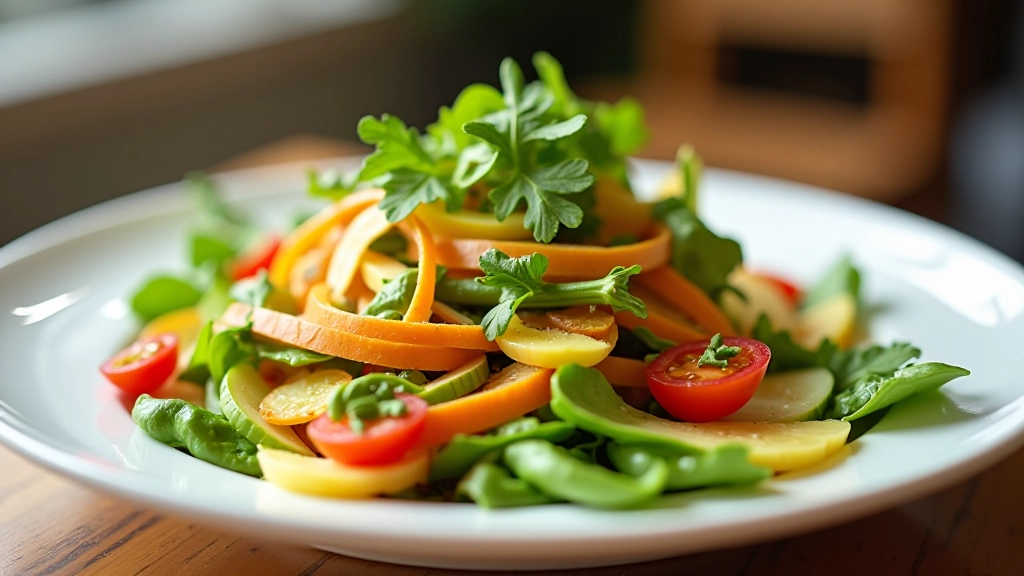
This is hard to hear, but it's true. A small kitchen with 2 cooks can't do what a 20-person brigade can. A casual diner doesn't have the cross-contamination protocols that fine dining restaurants maintain. A place that specializes in meat dishes might struggle with vegan modifications.
Servers sometimes have to say "We can't safely do that." They're not rejecting you — they're being honest about their limits. It's actually better than them promising something and failing. If you've got complex needs (severe allergies, multiple restrictions), call ahead and ask if the kitchen can handle it. Don't get upset if they say no. It's not personal. It's operational reality.
Choose restaurants that align with your needs. Winnipeg's got amazing options for every diet. Work with the kitchen that fits your situation, not against one that doesn't.
The kitchen's making a special plate for you. Your server's communicating between you and three other tables. They're accommodating your request in a system that wasn't designed for customization. A simple "Thank you" makes the difference between them thinking "Finally, someone appreciates this" versus "Why do I do this?"
Servers remember guests who are kind about modifications. They remember people who are understanding when something takes longer. They go the extra mile for people who acknowledge the extra effort. It's human nature. And honestly, your server's probably dealing with a demanding situation already. Being pleasant about your dietary needs doesn't cost you anything.
Dietary requests aren't unreasonable. Restaurants serve them constantly. But they work better when there's communication and mutual respect. Call ahead when you can. Be specific about what you need. Understand the kitchen's limitations. And show appreciation for the effort.
Your server isn't trying to make your life difficult. They're trying to feed you well while managing a complex operation. When you work with them instead of against them, you get a better meal and they get a less stressful shift. Everyone wins.
Next time you're making a reservation or arriving at a restaurant with dietary needs, remember: The server's on your side. They just need you to be clear about what you need.
This article is informational and based on conversations with restaurant staff. It's not meant to replace communication with your server or restaurant staff. For severe allergies or medical dietary needs, always inform your server clearly and ask about the restaurant's preparation methods. If you have life-threatening allergies, verify directly with the kitchen that they can safely accommodate your needs.
Editorial Team
Written by the TableFlow Winnipeg editorial team, focused on practical, clear guidance for restaurant reservations and table booking.
Tips for timing your reservation, choosing the right seat location, and getting the table you actually want when you call ahead.
Decoding menu language, understanding portion sizes, and figuring out what you're actually ordering before you order it.

Comparing reservation methods and figuring out when to use apps, when to call, and which approach actually gets you the table you want.