
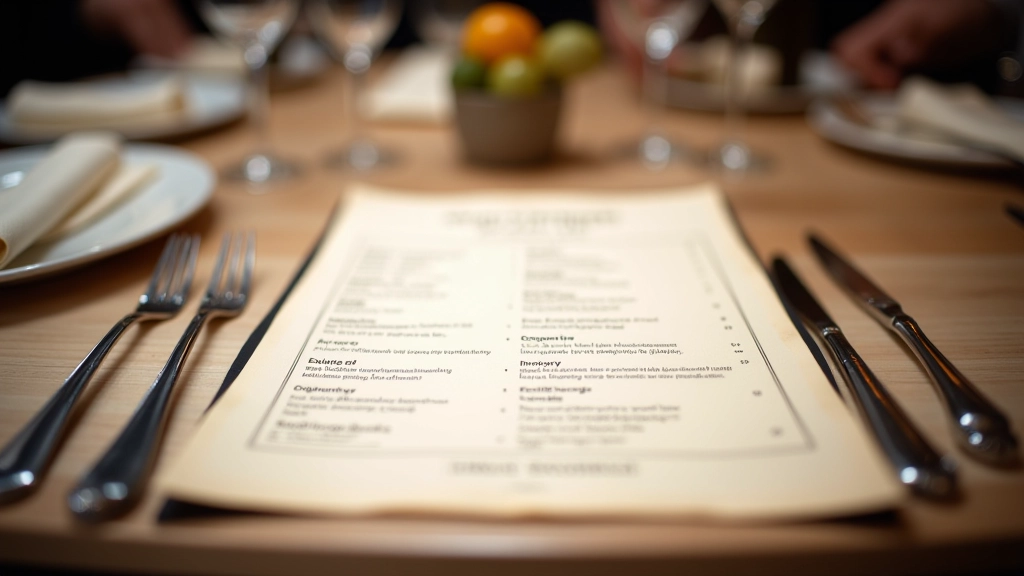
Reading a Menu Like You Know What You're Doing
Understand menu structure, terminology, and how to find what you actually want to eat without the confusion.
Tips for timing your reservation, choosing the right seat location, and getting priority at popular Winnipeg venues.
You've found a restaurant that sounds perfect. The menu looks amazing. You're excited. Then you call to book and realize you're not getting what you hoped for. Maybe they put you by the kitchen door. Or next to the loud bar. Or worst case, there's nothing available at all.
This doesn't have to happen. There's a real strategy to booking the best table. It's not luck or insider connections. It's timing, knowing what to ask for, and understanding how restaurants actually work. We're going to walk you through it.
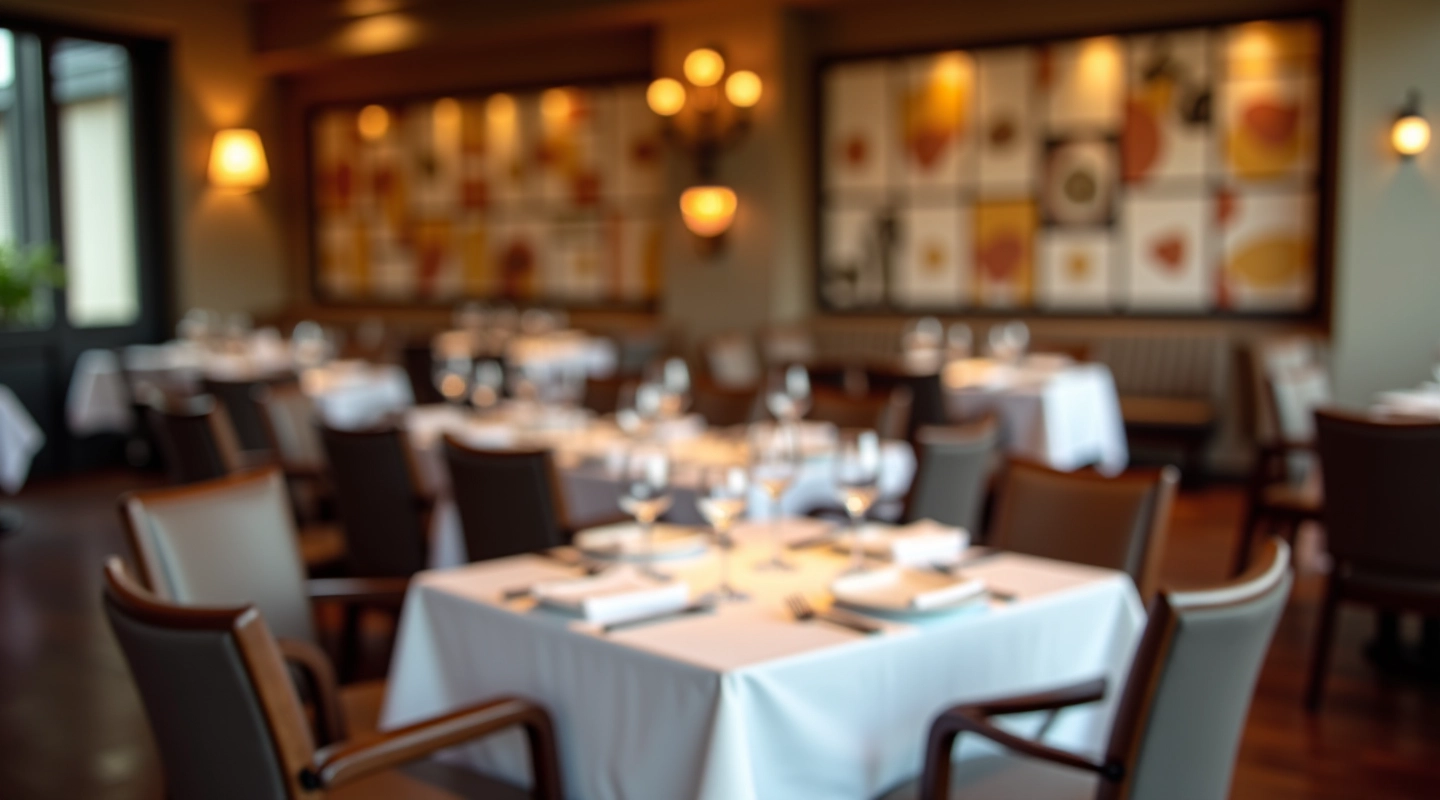
Timing is everything. Most restaurants take reservations up to 30 days in advance, but the sweet spot? About 2-3 weeks out. That's when you've got the best selection.
Here's why. For the first week after opening, everyone's calling at once — you're competing with hundreds. But if you wait 3+ weeks out, good tables might already be spoken for. Two weeks gives you choice without the chaos.
Timing also matters by day. Wednesday and Thursday? Way easier to get in than Friday or Saturday. If you're flexible on dates, you'll have way more options.

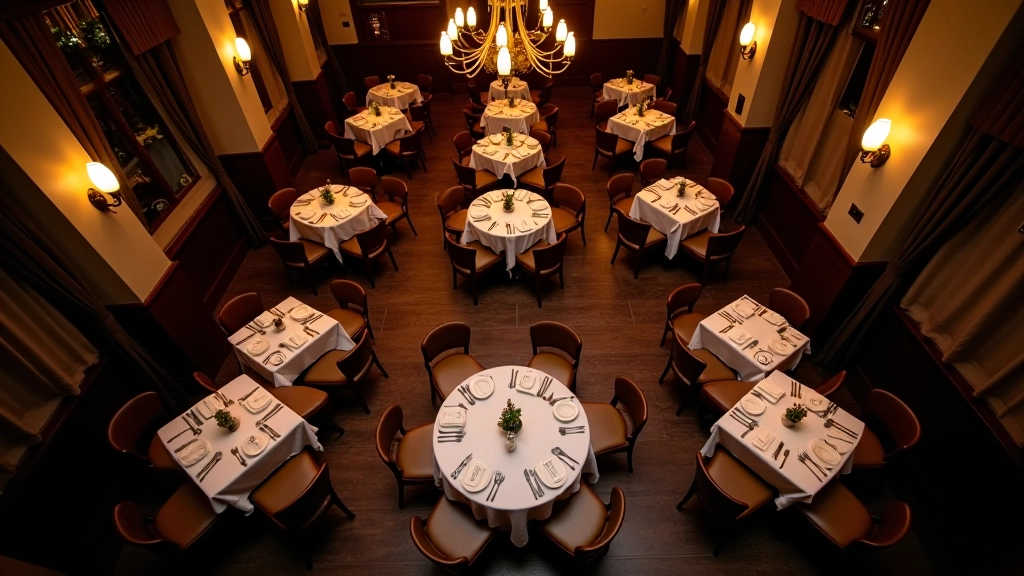
Don't leave it to chance. When you book, ask for exactly what you want. This is crucial. Most people just take whatever's offered. You shouldn't.
The best tables? Window seating, corner tables away from the kitchen, booths with privacy. These fill up fast. Worst tables? Right by the kitchen (hot, loud), next to the bar (chaotic), or squeezed between other diners.
When you call or book online, say something like: "Do you have a quiet table near the window?" Or if that's not available: "Away from the kitchen would be great." Be specific. Hosts respond better to clear requests than vague ones.
Your approach matters. Hosts deal with hundreds of calls. Being pleasant and clear makes a difference. It's not about being demanding. It's about being specific.
Start with the basics: your party size, date, and time. Then add your preference. Something like: "We're looking for a table for four on Saturday at 7pm. If possible, we'd love a booth or something quiet away from the kitchen."
This tells them you've thought it through. You're not just taking whatever. And you're being reasonable about it. Hosts appreciate that. They'll work to match you with the right table.
If they can't guarantee your preference, ask when you should arrive or mention it when you get there. Many hosts will adjust seating if it's available when you show up.

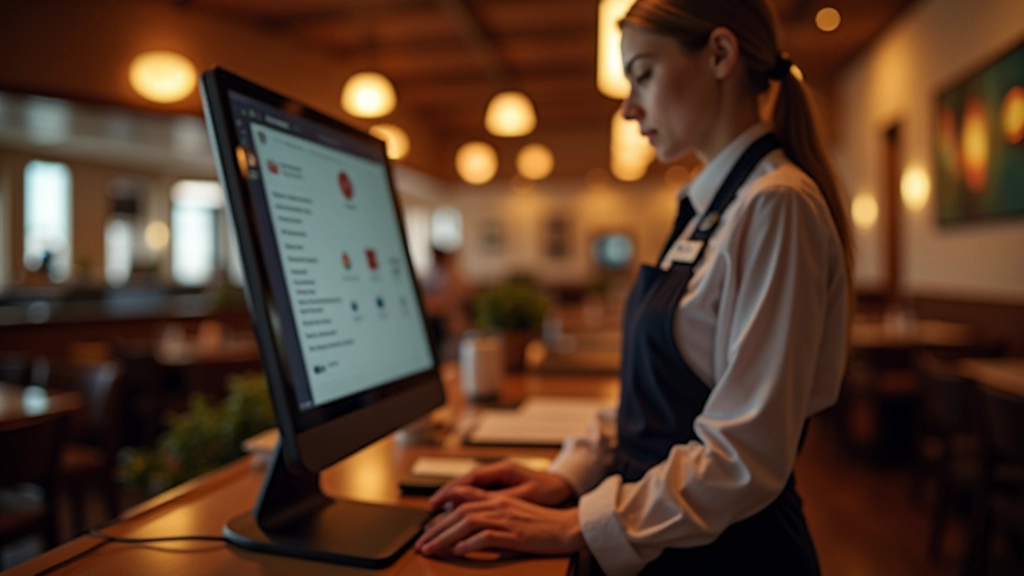
Here's something most people don't think about. If you're a regular or a returning customer, restaurants treat you differently. They remember you. They take care of you.
You don't need to eat somewhere 50 times. Just a few visits and being genuinely pleasant makes a difference. When you call back, mention you've been before. Say you loved it. Ask for your favorite table again.
Staff remembers people who are kind, easy to work with, and come back. It's not about tipping huge or being famous. It's just about being someone they enjoy seeing walk through the door.
Getting the best table isn't a mystery. It's strategy. Book ahead, be specific about what you want, call instead of using online-only booking, and be pleasant. That's it. Most people don't do these things, which means if you do, you're already ahead.
The restaurant industry runs on relationships and clear communication. When you call and say exactly what you're looking for, in a friendly way, the host can actually help you. They want to make your reservation good. They really do. You're just giving them the information they need to do it.
Next time you're booking somewhere special, remember: timing matters, specificity wins, and a pleasant tone goes a long way. You'll be surprised how often you get the table you actually wanted.
This guide is informational and based on common restaurant practices. Availability and seating policies vary by establishment. Always confirm directly with your chosen restaurant about their booking policies, reservation requirements, and current table options. TableFlow Winnipeg provides this information as a general resource to help diners understand the restaurant reservation process.
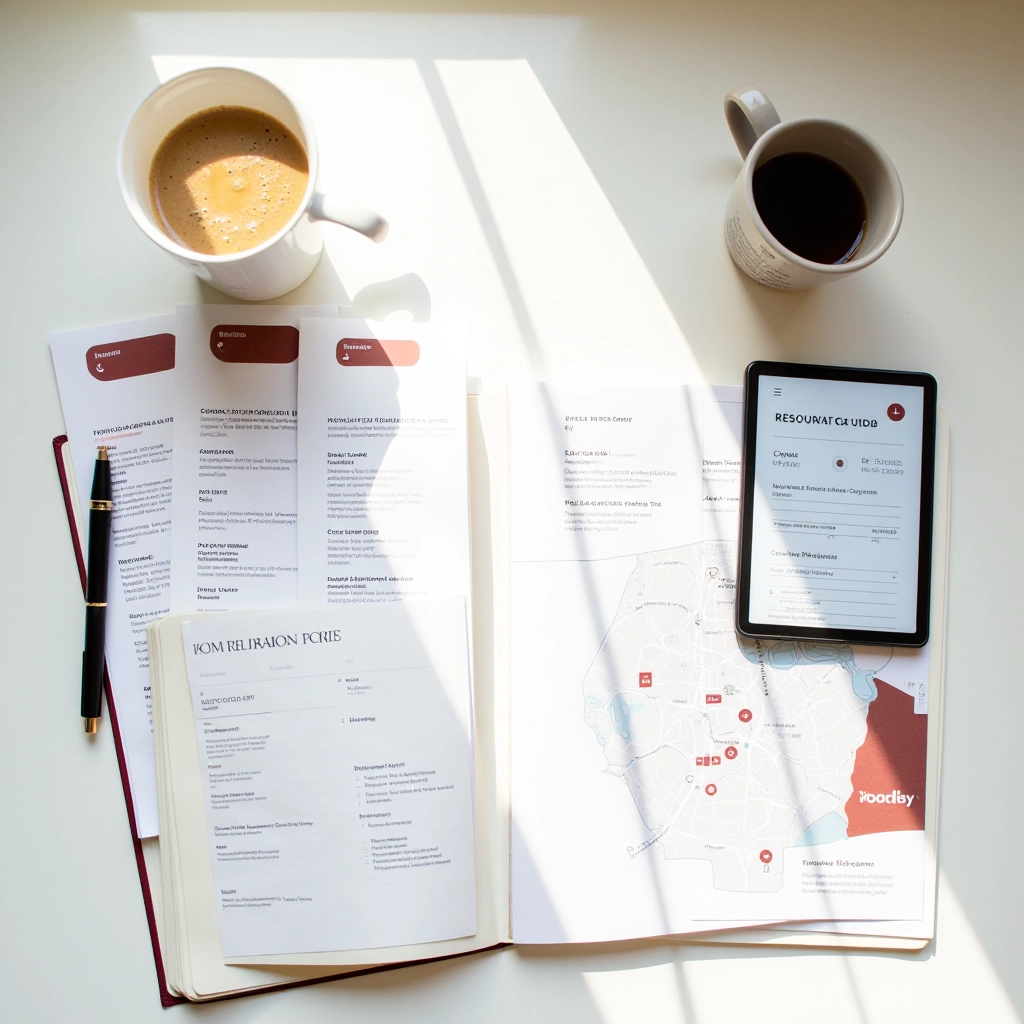
Editorial Team
Written by the TableFlow Winnipeg editorial team, focused on practical, clear guidance for restaurant reservations and table booking.
Understand menu structure, terminology, and how to find what you actually want to eat without the confusion.

Compare reservation methods and discover which approach gives you better availability and flexibility.
Learn how to communicate dietary needs effectively so restaurants can actually help you.